
Health Article · Jacksonville, FL
Acne Scars Treatment Jacksonville: What Actually Works
A doctor-led guide to acne scars treatment in Jacksonville: how to identify ice-pick, rolling, and boxcar scars and match each to the right therapy.
Dr. Asim Nouman
18+ Yrs Experience · Jacksonville, FL
 MedexClinic Health Library
Acne Scars Treatment in Jacksonville: What Actually Works
If you've finally cleared your breakouts but you're left staring at pits, craters, and uneven texture in the mirror, you're not alone. Effective acne scars treatment in Jacksonville starts with one critical step most people skip: identifying which type of scar you actually have. Ice-pick, rolling, and boxcar scars each respond to different therapies, and matching the right treatment to the right scar is the difference between real results and wasted appointments.
At MedexClinic's medi-spa in Jacksonville, FL, our team takes a methodical, doctor-led approach to scar revision — combining microneedling, laser resurfacing, subcision, and dermal fillers based on what your skin actually needs.
Why acne scars form in the first place
Acne scars develop when inflammation from cystic or nodular acne damages the collagen layer of the dermis. As the skin heals, it either loses tissue (atrophic scars — the pitted kind) or overproduces tissue (hypertrophic and keloid scars — raised bumps). The longer active acne goes untreated, the deeper the collagen damage tends to be. That's why pairing scar revision with ongoing acne control is essential — otherwise, new scars form faster than old ones fade.
The three main types of atrophic acne scars
Before any laser is fired or needle inserted, your provider should be able to point to your face and name each scar type. Here's the quick taxonomy:
- Ice-pick scars — narrow (less than 2 mm wide), deep, and V-shaped. They look like the skin was punctured by a sharp tool. Most common on the cheeks and forehead.
- Rolling scars — wide (4–5 mm), shallow depressions with sloping edges that give skin a wavy, undulating texture. Caused by fibrous tethers pulling the surface downward.
- Boxcar scars — round or oval depressions with sharp, well-defined vertical edges. They resemble chickenpox scars and range from shallow to deep.
Most patients in Jacksonville, FL come in with a mix of all three, which is why a single-treatment approach rarely delivers the results you see in before-and-after photos online.
Which treatment matches which scar type?
Here's how an experienced provider typically matches treatments to scar types:
- Ice-pick scars → TCA CROSS (a focal chemical reconstruction technique) and fractional laser resurfacing. Microneedling alone usually doesn't reach deep enough.
- Rolling scars → Subcision (releasing the fibrous tethers under the skin) combined with microneedling or radiofrequency microneedling, often followed by a dermal filler to lift the depression.
- Boxcar scars → Fractional laser, radiofrequency microneedling, and punch elevation for deeper variants.
- Mixed scarring → A staged plan over 3–6 months combining several modalities, spaced 4–6 weeks apart.
- Post-inflammatory hyperpigmentation (the dark marks left behind) → Chemical peels, topical tyrosinase inhibitors, and consistent SPF 30+ daily.
Microneedling: the workhorse of scar revision
Microneedling — sometimes called collagen induction therapy — uses an array of fine needles to create controlled micro-injuries in the dermis. Your skin responds by laying down fresh collagen and elastin. For rolling and shallow boxcar scars, a series of 4–6 sessions spaced 4 weeks apart typically produces visible smoothing.
When we add radiofrequency energy (RF microneedling), the heat reaches deeper into the dermis without damaging the surface — useful for darker skin tones common across Northeast Florida, since the risk of post-inflammatory hyperpigmentation is lower than with ablative lasers.
Laser resurfacing: when texture needs a reset
Fractional lasers create thousands of microscopic columns of treated tissue, leaving healthy skin in between to speed healing. Non-ablative fractional lasers have shorter downtime (2–3 days of redness) and work well for shallow scars over multiple sessions. Ablative fractional CO2 or erbium lasers deliver more dramatic results in fewer sessions but require 5–10 days of social downtime.
In Jacksonville's sun-heavy climate, timing matters. Most providers, including our team serving Mandarin, San Marco, Riverside, and Orange Park patients, prefer to schedule laser resurfacing in the fall or winter months to reduce the risk of pigment changes from sun exposure during healing.
Dermal fillers and subcision for tethered scars
Rolling scars are pulled down by fibrous bands beneath the skin. Subcision uses a small needle (or a cannula) inserted parallel to the surface to release those bands. Immediately after, hyaluronic acid filler can be placed to lift the depression and stimulate new collagen as the area heals. Results from subcision plus filler typically last 12–18 months, and the collagen response can produce permanent improvement even after the filler dissolves.
Is acne scar treatment safe for all skin tones?
Yes — but the protocol changes. Darker skin (Fitzpatrick types IV–VI) carries a higher risk of post-inflammatory hyperpigmentation with aggressive ablative lasers. Safer first-line options include radiofrequency microneedling, TCA CROSS for ice-pick scars, and conservative chemical peels. A pre-treatment regimen with a topical lightening agent for 2–4 weeks before each session also helps reduce pigment risk.
How long until I see results?
Collagen remodeling is slow. Expect early surface smoothing within 4–6 weeks of your first session, with continued improvement for up to 6 months after a complete treatment series. Most patients see meaningful improvement after 3–5 sessions, though deeper scars may need maintenance treatments once or twice a year.
What to look for in a Jacksonville provider
Not all medi-spas in Jacksonville, FL handle acne scarring the same way. Before you book, ask:
- Does a physician evaluate your scars before treatment, or does a technician decide the protocol?
- Will they classify your scars by type and explain which modalities match each?
- Do they offer more than one device (microneedling, RF microneedling, fractional laser, subcision)?
- How do they manage pigment risk for medium and darker skin tones?
- Is there a clear maintenance plan for ongoing acne control?
At MedexClinic's medi-spa, treatment plans are designed by Dr. Asim Nouman, MD, an experienced family physician with 18+ years of clinical experience in aesthetic and medical dermatology services. Patients travel to our Baymeadows and Westside locations from across Northeast Florida — including Mandarin, San Marco, Riverside, Orange Park, and St. Augustine.
Aftercare that protects your investment
Whatever modality you choose, aftercare determines half the outcome:
- Daily broad-spectrum SPF 30+ for at least 4 weeks post-treatment — non-negotiable in the Florida sun.
- No active acids (retinol, glycolic, salicylic) for 5–7 days post-procedure.
- Gentle, fragrance-free cleansers and ceramide-rich moisturizers during healing.
- Avoid pools, saunas, and intense workouts for 48–72 hours.
- No picking at flaking skin — let it shed naturally to prevent new scars.
Ready to map out your acne scar plan?
Book a consultation at our Jacksonville, FL medi-spa and walk out with a clear, personalized roadmap for your skin. Call (904) 444-2903 or schedule online below.
This article is for educational purposes only and is not a substitute for individualized medical advice. Please consult a qualified clinician before starting any treatment.
About the author
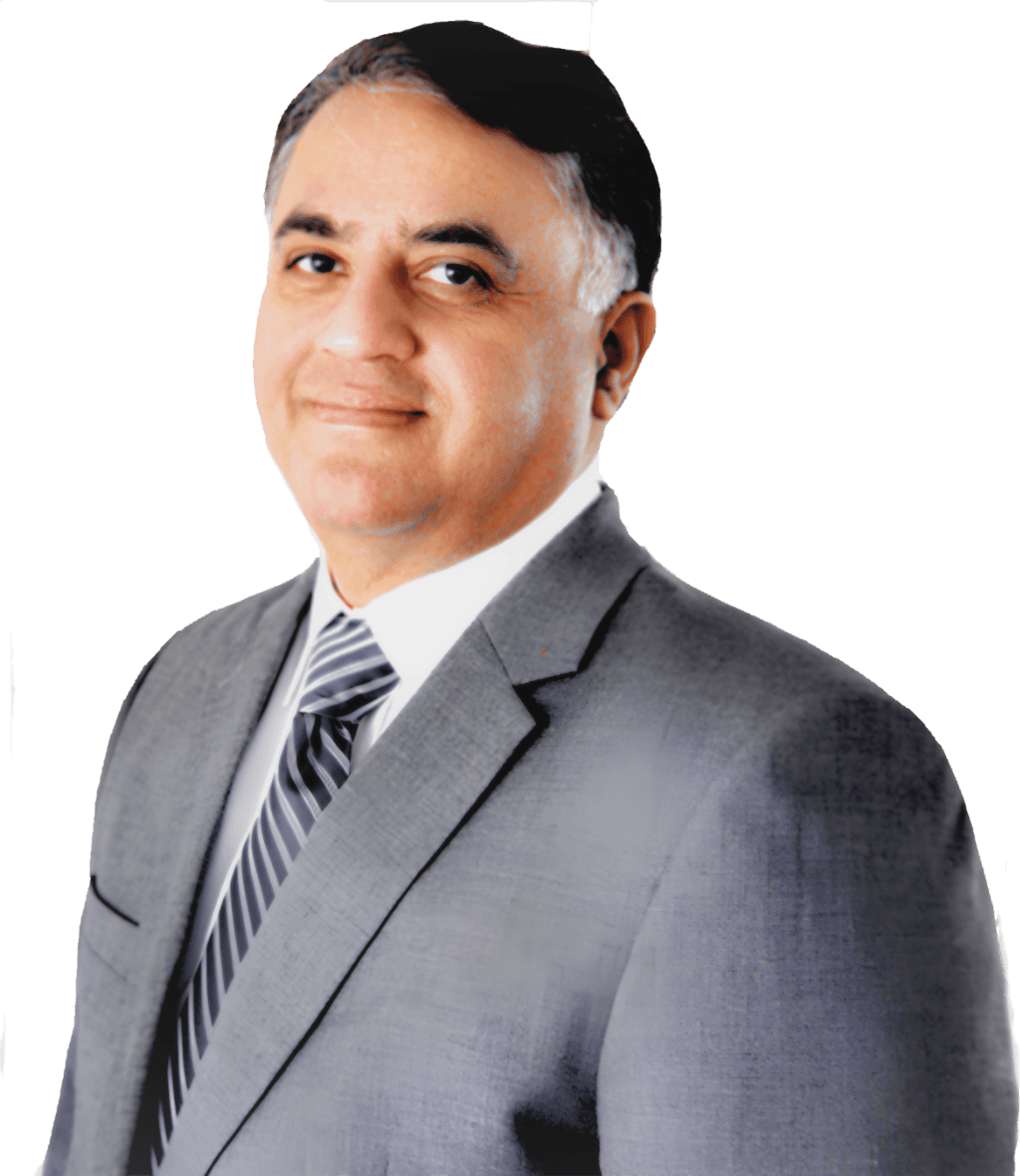
Dr. Asim Nouman, MD
Experienced family physician with 18+ years of clinical practice focused on weight loss and obesity medicine, practicing in Jacksonville, Florida. Dr. Nouman writes about evidence-based weight loss, GLP-1 therapies, nutrition, and family medicine for patients across Northeast Florida.
Keep reading
More from MedexClinic's health library.
 Article
Thyroid Doctor Jacksonville: When to See One | MedexClinic
Wondering if you need a thyroid doctor in Jacksonville? Learn the hypo vs hyper symptoms, why TSH alone isn't enough, and when to seek expert care.
 Article
Keto Snack Recipes Jacksonville Locals Love | MedexClinic
Six portable keto snack recipes Jacksonville patients rely on to stay full between meals — with net-carb counts, protein targets, and prep tips from our weight-loss team.
 Article
Naloxone Prescription Jacksonville: How to Get Narcan
Learn how to get a naloxone prescription in Jacksonville, who needs Narcan at home, Florida's pharmacy access law, and how to use it to reverse an opioid overdose.