
Health Article · Jacksonville, FL
Chronic Pain and Opioid Recovery Jacksonville: A Care Guide
A doctor-led guide to chronic pain and opioid recovery in Jacksonville — multimodal options compatible with buprenorphine, from PT to non-opioid meds and injections.
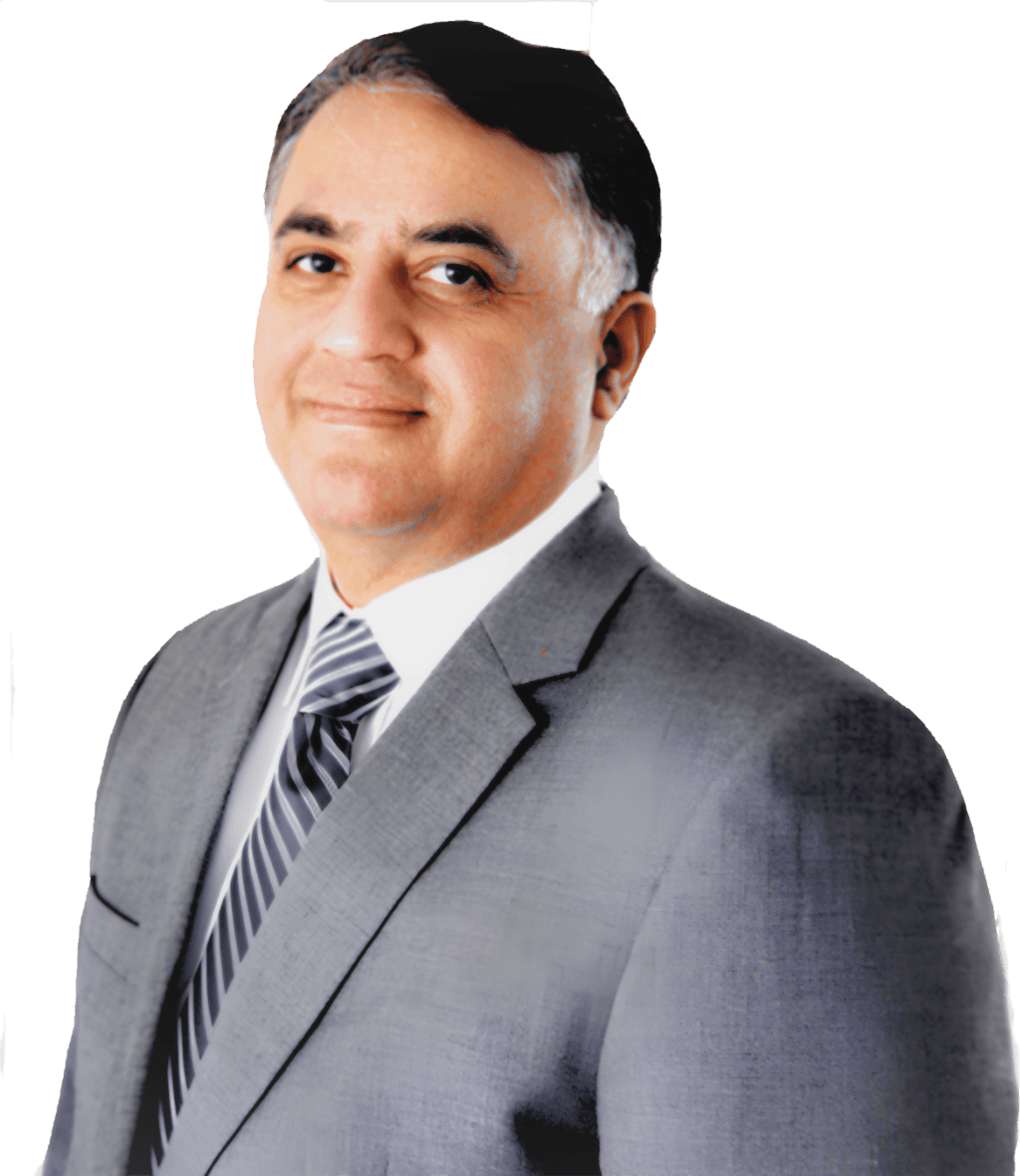
Dr. Asim Nouman
18+ Yrs Experience · Jacksonville, FL
 MedexClinic Health Library
Chronic Pain and Opioid Recovery in Jacksonville: A Multimodal Approach
If you are navigating chronic pain and opioid recovery in Jacksonville, you already know the hardest part: the very thing that once dulled your pain became the thing that hurt your life. Recovery does not mean learning to live with untreated pain. At MedexClinic in Jacksonville, FL, we build doctor-led, multimodal pain plans that work safely alongside buprenorphine — combining physical therapy, non-opioid medications, and interventional options so you can heal without sliding back.
This guide explains exactly how that approach works, what therapies are compatible with buprenorphine, and what to expect at your first visit.
Why Chronic Pain and Opioid Recovery Are Treated Together
Untreated chronic pain is one of the leading drivers of opioid relapse. When a patient on buprenorphine (Suboxone, Subutex, Sublocade) is told to simply "tough it out," pain flares, sleep collapses, and cravings return. The modern standard of care — and what we practice in our Baymeadows and Westside Jacksonville clinics — is to address pain and addiction as one connected problem.
Buprenorphine itself is a partial opioid agonist with real analgesic properties, but at typical recovery doses it usually does not control moderate-to-severe chronic pain on its own. The fix is not adding full-agonist opioids; it is layering non-opioid tools that target pain through different pathways.
What Does a Multimodal Pain Plan Look Like?
"Multimodal" simply means stacking several lower-risk therapies so each can be used at a gentler dose. For patients in opioid recovery, that typically includes four layers:
- Movement-based therapy: physical therapy, aquatic therapy at local Jacksonville pools, graded walking programs, and clinical yoga.
- Non-opioid medications: NSAIDs (ibuprofen, naproxen, meloxicam), acetaminophen, topical diclofenac or lidocaine, duloxetine, gabapentin or pregabalin, and low-dose tricyclics like nortriptyline.
- Interventional options: trigger-point injections, epidural steroid injections, medial branch blocks, radiofrequency ablation, and referrals for spinal cord stimulator evaluation when appropriate.
- Behavioral support: cognitive behavioral therapy for chronic pain (CBT-CP), mindfulness-based stress reduction, and sleep hygiene coaching — all proven to lower pain scores without medication.
Dr. Asim Nouman, MD — an experienced physician with 18+ years of clinical practice in addiction and family medicine — coordinates these layers and adjusts the mix as your recovery progresses.
Which Non-Opioid Medications Are Safe With Buprenorphine?
Most non-opioid analgesics are fully compatible with buprenorphine. We tailor selections to your pain pattern:
- Inflammatory or musculoskeletal pain: NSAIDs and topical anti-inflammatories.
- Nerve pain (sciatica, neuropathy): gabapentin, pregabalin, or duloxetine. Gabapentin is dosed cautiously, monitored, and never combined with sedatives.
- Fibromyalgia and central sensitization: duloxetine, milnacipran, or low-dose nortriptyline plus aerobic conditioning.
- Migraine and tension headache: triptans, CGRP antagonists, magnesium, riboflavin, and trigger-point therapy.
- Localized pain: lidocaine patches, capsaicin cream, and diclofenac gel.
Medications that need extra caution alongside buprenorphine include benzodiazepines, muscle relaxants like carisoprodol, and sedating sleep aids — these are avoided or used only short-term under close supervision.
How Does Physical Therapy Fit Into Opioid Recovery?
Physical therapy is the backbone of long-term pain control. We refer patients across Jacksonville, Mandarin, San Marco, Riverside, Orange Park, and St. Augustine to PT partners who understand recovery patients and pace progress carefully. Typical components include:
- Six to twelve weeks of supervised therapy, two to three sessions per week.
- Manual therapy, dry needling, and myofascial release for trigger points.
- Strength and stability training for the spine, hips, and core.
- Aquatic therapy for severe low-back, knee, or hip pain.
- A written home program so gains stick after discharge.
Patients who complete a structured PT course typically report meaningful drops in pain scores and improved function within eight weeks — often enough to lower or simplify their medication list.
When Are Interventional Procedures the Right Call?
Interventional pain procedures are powerful tools when a pain generator can be clearly identified on exam or imaging. We coordinate referrals with Northeast Florida interventional pain specialists for:
- Epidural steroid injections for radicular low-back or neck pain.
- Facet joint injections and medial branch blocks for axial spine pain.
- Radiofrequency ablation for confirmed facet-mediated pain, with relief typically lasting six to twelve months.
- Sacroiliac joint injections for SI-driven low-back pain.
- Trigger-point injections performed in-clinic for myofascial pain.
- Peripheral nerve blocks and, in select cases, spinal cord stimulator trials.
These procedures are fully compatible with buprenorphine. If you need a short course of post-procedure pain control, your recovery team and proceduralist coordinate dosing in advance so you stay protected.
Lifestyle Changes That Lower Pain and Protect Recovery
Daily habits move pain scores more than most patients expect. We coach on:
- Sleep: seven to nine hours, consistent schedule, screens off an hour before bed. Poor sleep amplifies pain perception.
- Anti-inflammatory eating: vegetables, fruit, legumes, whole grains, olive oil, nuts, and lean proteins such as chicken, turkey, fish, eggs, lentils, and chickpeas.
- Hydration: aim for steady water intake; dehydration worsens headaches and muscle pain.
- Movement: 20–30 minutes of low-impact activity most days — walking the Southbank Riverwalk, swimming, or stationary cycling.
- Stress regulation: ten minutes of daily breathing practice or guided meditation.
None of these replace medical care, but layered together they often allow lower medication doses and steadier recovery.
What to Expect at Your First Visit in Jacksonville, FL
Your first appointment at MedexClinic is a 45–60 minute evaluation. We review your full pain history, prior opioid use, current buprenorphine dose, imaging, and any past procedures. From there, Dr. Nouman builds a written multimodal plan that may include medication changes, PT referral, an interventional consult, and behavioral support — all coordinated under one roof. Follow-ups are scheduled every two to four weeks early on, then spaced as you stabilize.
We see patients from across Jacksonville, Florida, including Baymeadows, Westside, Mandarin, San Marco, Riverside, Orange Park, and St. Augustine.
Ready to Treat Pain Without Risking Recovery?
You do not have to choose between staying in recovery and living with pain. A thoughtful, multimodal plan — built around buprenorphine, not against it — can give you both. Call MedexClinic Jacksonville at (904) 444-2903 or book online to start your evaluation.
Book a Confidential Consultation
This article is for educational purposes only and is not a substitute for individualized medical advice; please consult a qualified clinician before starting, stopping, or adjusting any medication or treatment.
About the author
Dr. Asim Nouman, MD
Experienced family physician with 18+ years of clinical practice focused on weight loss and obesity medicine, practicing in Jacksonville, Florida. Dr. Nouman writes about evidence-based weight loss, GLP-1 therapies, nutrition, and family medicine for patients across Northeast Florida.
Keep reading
More from MedexClinic's health library.
 Article
Intermittent Fasting Jacksonville: What the Evidence Says
Thinking about intermittent fasting in Jacksonville? A doctor-led breakdown of 16:8, 5:2, who benefits, who shouldn't fast, and how IF pairs with GLP-1 meds.
Medical Weight Loss Jacksonville: How a Clinic Program Works
See how medical weight loss in Jacksonville actually works — metabolic labs, body composition, GLP-1 candidacy, and a lifestyle plan built around your physiology.
Starting Wegovy in Jacksonville: A Patient's Roadmap
A practical week-by-week guide to starting Wegovy in Jacksonville — dose titration schedule, expected side effects, and when to call your doctor's office.