
Health Article · Jacksonville, FL
Family Support Opioid Recovery Jacksonville: A Guide
Practical, doctor-led tips on family support opioid recovery Jacksonville families can use — what helps, what hurts, and how to set boundaries without enabling.
Dr. Asim Nouman
18+ Yrs Experience · Jacksonville, FL
 MedexClinic Health Library
How Families Can Support Opioid Recovery in Jacksonville
When a loved one is fighting opioid addiction, the whole family is in the fight. The right kind of family support opioid recovery Jacksonville households can offer often makes the difference between a relapse and a real, lasting comeback. This guide — written with input from the doctor-led addiction medicine team at MedexClinic in Jacksonville, FL — walks spouses, parents, siblings, and adult children through what actually helps, what quietly hurts, and how to set boundaries without slipping into enabling.
Our medical director, Dr. Asim Nouman, MD, is an experienced physician with 18+ years of clinical practice in addiction and family medicine. He treats patients from Mandarin, San Marco, Riverside, Baymeadows, Westside, Orange Park, and St. Augustine — and almost every successful recovery story shares one thing in common: a family that learned how to show up the right way.
Why Family Support Matters in Opioid Recovery
Opioid use disorder is a chronic medical condition, not a moral failure. Like diabetes or hypertension, it responds best to a combination of medication, behavioral support, and a stable home environment. Research consistently shows that patients with engaged, informed families are more likely to stay in treatment, take their medication as prescribed, and avoid the high-risk moments that lead to overdose.
In Jacksonville, FL, where fentanyl-contaminated supplies have made every relapse potentially fatal, the family's role isn't optional — it's protective.
What Actually Helps a Loved One in Recovery
Helpful support is consistent, calm, and structured. It looks less like rescuing and more like showing up — predictably — over months and years.
- Learn the medicine. Understand how buprenorphine (Suboxone) or naltrexone works, why missing doses is dangerous, and why these are evidence-based treatments — not "trading one drug for another."
- Keep naloxone (Narcan) in the house. Two doses, easy to reach, and every adult in the home should know how to use it.
- Show up for appointments. Offer to drive them to MedexClinic visits, counseling, or support meetings without making it a punishment.
- Protect their sleep, food, and routine. Early recovery is physiologically exhausting. Regular meals, 7–9 hours of sleep, and predictable mornings stabilize the brain.
- Celebrate small wins. 30 days, 90 days, a clean urine drug screen — these matter. Acknowledge them.
- Use "I" language. "I get scared when you don't come home" lands very differently from "You're going to relapse again."
What Quietly Hurts (Even When You Mean Well)
Most family behaviors that derail recovery come from love. They still cause harm. Watch for these patterns:
- Lecturing during cravings. When the brain is in withdrawal or craving, it cannot absorb a speech. Wait for a calm moment.
- Searching their phone or room daily. Surveillance breeds secrecy. Use trust-but-verify check-ins instead (drug screens, medication counts at appointments).
- Paying off every consequence. Covering legal fees, traffic tickets, and lost rent removes the natural feedback the brain needs to choose differently.
- Keeping opioids, alcohol, or sedatives in the home. Clear out old prescription bottles. Don't store alcohol on the counter — it lowers the threshold for relapse and is itself a CNS depressant that increases overdose risk when combined with opioids.
- Bringing up the worst day, repeatedly. Shame is a relapse trigger, not a motivator.
How Do You Set Boundaries Without Enabling?
A boundary is a rule about your behavior, not theirs. "If you use in the house, I will leave for the night" is a boundary. "You can never use again or I'll divorce you" is a threat — and threats you won't enforce teach the addiction that words don't mean anything.
Strong family boundaries in opioid recovery usually share three traits:
- They are specific ("no opioids or alcohol in the house" — not "clean up your act").
- They have a consequence you will actually follow through on.
- They are stated once, calmly, ideally when everyone is sober and not in crisis.
Taking Care of Yourself While They Recover
You cannot pour from an empty cup. Family members of people in recovery have higher rates of anxiety, depression, and burnout. Protect your own health:
- Attend Nar-Anon or Al-Anon meetings — both have active chapters across Jacksonville, FL, including Mandarin, Riverside, and Orange Park.
- Keep your own primary care visits. Don't postpone your bloodwork because their crisis is louder.
- Eat real food on a schedule — grilled chicken, fish, eggs, lentils, beans, vegetables, fruit. Skipping meals to manage their chaos will wreck your own nervous system.
- Move your body daily, even a 20-minute walk along the St. Johns or at the beach.
- Talk to a counselor of your own. Their recovery is theirs; your mental health is yours.
What to Do If a Relapse Happens
Relapse is common in opioid use disorder — and it is a medical event, not a character verdict. If it happens:
- Stay safe first. If they are unresponsive, blue-lipped, or breathing slowly, give naloxone and call 911. Florida's Good Samaritan law protects callers reporting an overdose.
- Do not shame them when they wake up. The first 48 hours after a relapse are the highest-risk window for a fatal overdose because tolerance has dropped.
- Call their clinic the same day. Re-engagement within 24–72 hours dramatically improves outcomes. At MedexClinic, our team can typically see established patients quickly after a relapse to restart or adjust treatment.
How MedexClinic Supports Families in Jacksonville
Our opioid recovery program is doctor-led and family-aware. With your loved one's written consent, we can include spouses or parents in education visits so everyone understands the medication, the warning signs, and the plan. We see patients at two Jacksonville locations — Baymeadows (9551 Baymeadows Rd, Suite 6) and Westside (1395 Cassat Ave, Suite 3) — and serve the surrounding communities of San Marco, Riverside, Orange Park, and St. Augustine.
To speak with our team, call (904) 444-2903 or book online below.
Book a Confidential Consultation
Medical disclaimer: This article is for educational purposes only and is not a substitute for individualized medical advice. Treatment for opioid use disorder should be guided by a qualified clinician who knows your full medical history.
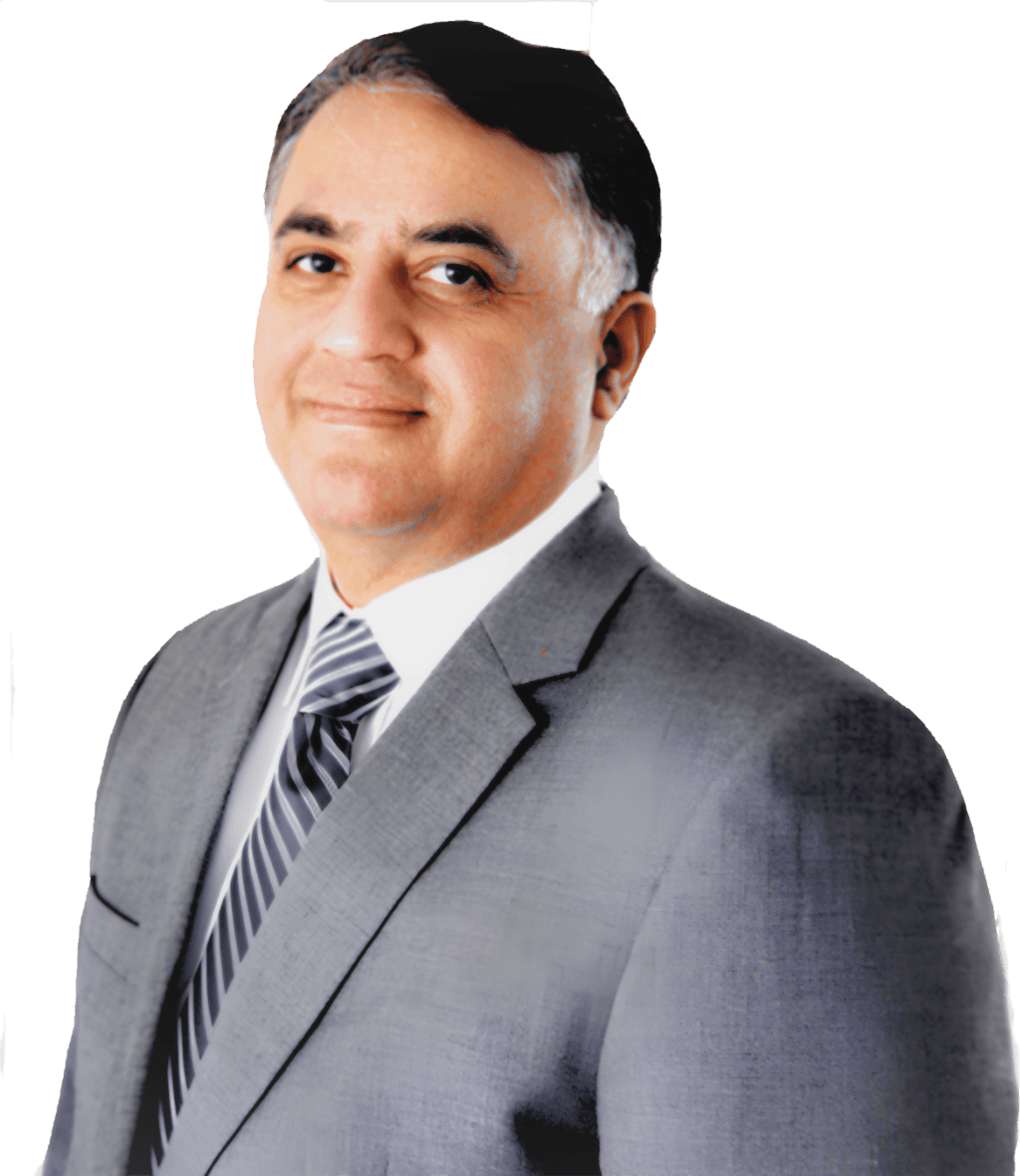
About the author
Dr. Asim Nouman, MD
Experienced family physician with 18+ years of clinical practice focused on weight loss and obesity medicine, practicing in Jacksonville, Florida. Dr. Nouman writes about evidence-based weight loss, GLP-1 therapies, nutrition, and family medicine for patients across Northeast Florida.
Keep reading
More from MedexClinic's health library.
Medical Weight Loss Jacksonville: How a Clinic Program Works
See how medical weight loss in Jacksonville actually works — metabolic labs, body composition, GLP-1 candidacy, and a lifestyle plan built around your physiology.
Starting Wegovy in Jacksonville: A Patient's Roadmap
A practical week-by-week guide to starting Wegovy in Jacksonville — dose titration schedule, expected side effects, and when to call your doctor's office.
How Medical Weight Loss Works at a Jacksonville Clinic
Curious how medical weight loss in Jacksonville actually works? Here's the step-by-step pathway — assessment, body composition, GLP-1 candidacy, and lifestyle plan.