
Health Article · Jacksonville, FL
Family Support for Opioid Recovery Jacksonville: A Guide
Practical, doctor-informed tips on family support for opioid recovery in Jacksonville — what helps, what hurts, and how to set boundaries without enabling.
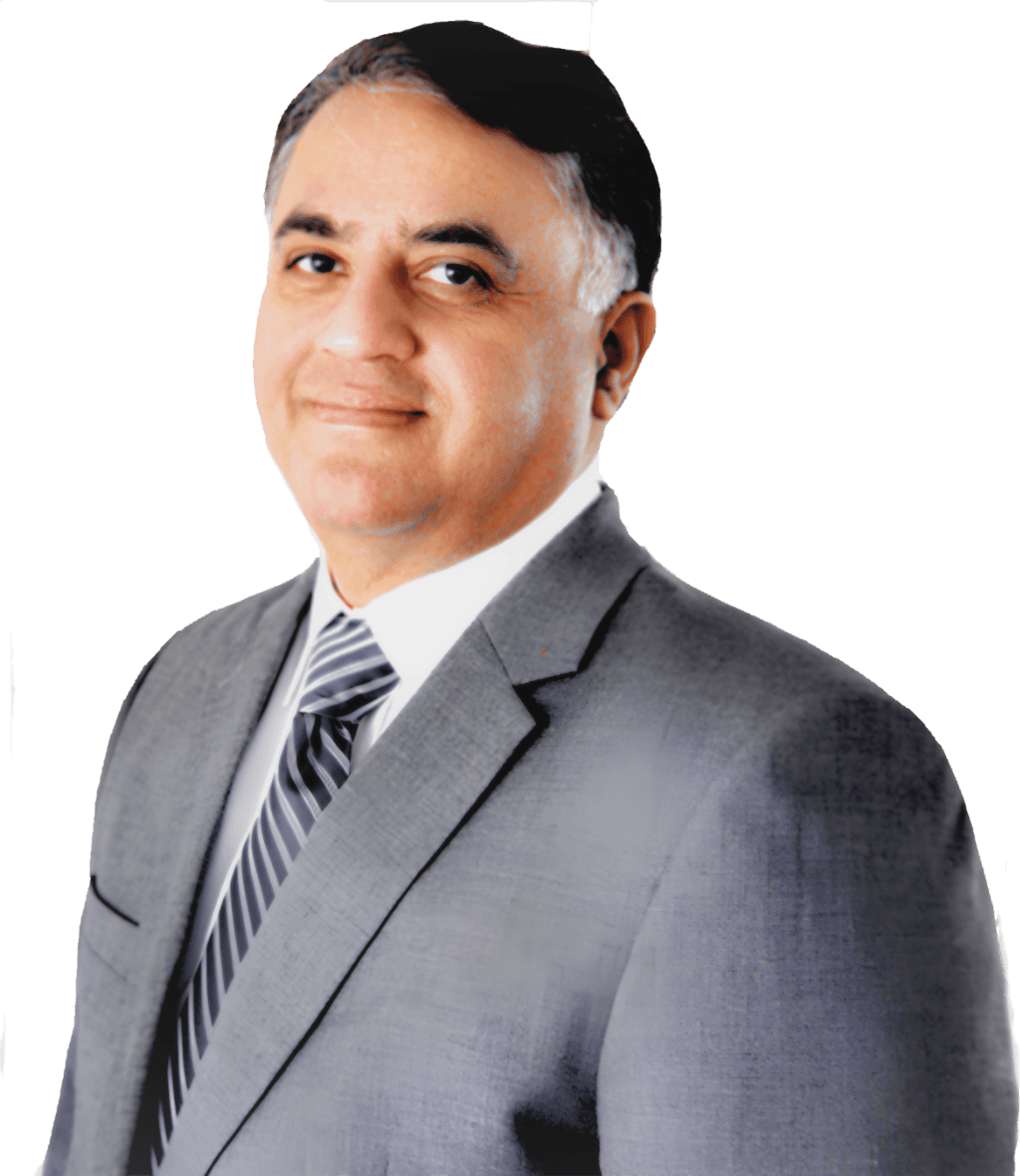
Dr. Asim Nouman
18+ Yrs Experience · Jacksonville, FL
 MedexClinic Health Library
How Families Can Support Opioid Recovery in Jacksonville
When a spouse, parent, or sibling enters treatment, the people around them often feel powerless — desperate to help but afraid of saying the wrong thing. Effective family support for opioid recovery in Jacksonville is one of the strongest predictors of long-term success, and it doesn't require a clinical degree. It requires structure, patience, and a few practical skills you can start using today. This guide, written with input from the doctor-led opioid recovery team at MedexClinic in Jacksonville, FL, walks families through what actually helps, what quietly hurts, and how to set boundaries that protect everyone in the household.
Why family involvement matters in opioid recovery
Opioid use disorder is a chronic medical condition that rewires the brain's reward and stress systems. Recovery is rarely linear, and the early months — especially the first 90 days after starting medication-assisted treatment — are when relapse risk is highest. Research consistently shows that patients with engaged, informed family members stay in treatment longer, attend more counseling sessions, and have fewer return-to-use episodes.
But "engaged" doesn't mean controlling. It means showing up consistently, learning the medical realities of the disease, and creating a home environment where recovery is easier than relapse. Families across Jacksonville, FL — from San Marco and Riverside to Mandarin, Baymeadows, the Westside, and Orange Park — have rebuilt trust using the same core principles below.
What actually helps: 7 things families can do this week
- Learn the medications. If your loved one is on buprenorphine (Suboxone, Subutex), naltrexone (Vivitrol), or methadone, understand the basics: dosing schedule, common side effects (nausea, constipation, headache, sleep changes), and why missing doses raises overdose risk.
- Keep naloxone (Narcan) in the home. Two doses, stored at room temperature, in a place every adult in the household knows. Learn how to use it. It saves lives even years into recovery.
- Remove leftover opioids and benzodiazepines from medicine cabinets, garages, and cars. Use a DEA take-back location or a drug deactivation pouch.
- Show up to one appointment — counseling, a medication check-in, or a family session. Presence matters more than perfect words.
- Replace "How are you really doing?" interrogations with a simple daily ritual: a shared meal, a 15-minute walk in the neighborhood, or coffee on the porch.
- Praise specific actions, not character. "I noticed you went to your appointment Tuesday" lands better than "You're doing so great."
- Take care of yourself. Al-Anon, Nar-Anon, or a therapist familiar with addiction medicine. You cannot pour from an empty cup.
What quietly hurts (even when it feels like love)
Most well-meaning family behaviors fall into one of two traps: enabling (removing the natural consequences of use) or policing (treating the person like a suspect). Both erode the trust that recovery depends on.
- Paying off drug-related debts or covering up missed work shifts a consequence the patient needs to feel.
- Searching phones, wallets, or rooms daily. Periodic, agreed-upon drug testing through the clinic is far more effective than home surveillance.
- Lecturing during cravings. Cravings are a brain event, not a moral failure. Distraction, hydration, and a phone call to a sponsor work better than a speech.
- Bringing alcohol into the home. Even if your loved one's primary issue was opioids, cross-addiction risk is real, especially in the first year.
- Treating relapse as betrayal. Relapse is a clinical event that requires a phone call to the prescriber, not a family meeting at midnight.
How do you set boundaries without enabling?
A boundary is not a punishment — it is a clear statement of what you will and will not do, regardless of what the other person chooses. Effective boundaries are specific, advance-notice, and self-enforced.
Examples that work in real Jacksonville households:
- "I will drive you to your appointment at MedexClinic every Wednesday. I will not give you cash."
- "You are welcome at Sunday dinner. If you are using, you can come back next week."
- "I will keep the naloxone in the kitchen drawer. I will not check your phone."
- "If treatment is paused, you cannot stay overnight with the kids in the house."
Write boundaries down. Share them once, calmly. Then enforce them quietly — without re-arguing every time. Boundaries protect the relationship; ultimatums end it.
What should I say after a relapse?
Less than you think. The script most clinicians recommend is short: "I'm glad you told me. Are you safe right now? Let's call the clinic." Save the longer conversation for after the patient has spoken with their prescriber and a counselor. Relapse after months of stability often means the medication dose needs adjustment, sleep is broken, or an untreated mental health condition (anxiety, depression, PTSD) has flared. These are medical problems with medical solutions.
Building a recovery-friendly home environment
The home doesn't need to look like a treatment center, but a few small changes lower the daily friction of recovery:
- Predictable meals. Blood sugar swings amplify cravings. Lean proteins like grilled chicken, turkey, fish, eggs, lentils, or chickpeas, paired with vegetables and whole grains, keep energy steady.
- Protected sleep. A consistent bedtime, screens out of the bedroom, and a dark, cool room. Poor sleep is one of the strongest relapse triggers.
- Movement most days. A 20-minute walk along the St. Johns River, the Baldwin Trail, or any quiet neighborhood loop lowers cortisol and improves mood.
- An alcohol-free kitchen, at least through the first year. Use sparkling water, herbal tea, or fresh-squeezed citrus for social moments.
- A written emergency plan — clinic phone number, naloxone location, nearest ER (UF Health, Baptist, Ascension St. Vincent's), and a sponsor or trusted friend on speed dial.
Where MedexClinic fits in
MedexClinic offers doctor-led opioid recovery care at two Jacksonville locations — Baymeadows (9551 Baymeadows Rd, Suite 6) and the Westside (1395 Cassat Ave, Suite 3) — serving families from Mandarin, San Marco, Riverside, Orange Park, St. Augustine, and across Northeast Florida. Care is directed by Dr. Asim Nouman, MD, an experienced family physician with 18+ years of clinical practice, including medication-assisted treatment for opioid use disorder.
Family members are welcome at intake visits and at periodic check-ins (with the patient's consent). We can also point you toward local mutual-aid meetings, family counseling, and naloxone training in Jacksonville, FL.
Frequently asked questions from Jacksonville families
How long does medication-assisted treatment last? There is no fixed end date. Many patients stay on buprenorphine or naltrexone for a year or more; some continue indefinitely, the same way someone with high blood pressure stays on medication. Stopping early is one of the strongest relapse predictors.
Should I drug-test my loved one at home? Usually no. Random testing through the clinic is more accurate and less corrosive to trust. Discuss the testing plan with the prescriber instead.
What if my loved one refuses treatment? You can still keep naloxone in the home, attend Nar-Anon, and use the boundary scripts above. People often enter treatment after a family member changes first.
Can I attend appointments? Yes, with the patient's consent. Call (904) 444-2903 to schedule a family-inclusive visit.
Medical disclaimer: This article is for general educational purposes and is not a substitute for individualized medical advice. Talk with a qualified clinician before starting, stopping, or changing any medication or treatment plan. If you or a loved one is in immediate danger of overdose, call 911.
About the author
Dr. Asim Nouman, MD
Experienced family physician with 18+ years of clinical practice focused on weight loss and obesity medicine, practicing in Jacksonville, Florida. Dr. Nouman writes about evidence-based weight loss, GLP-1 therapies, nutrition, and family medicine for patients across Northeast Florida.
Keep reading
More from MedexClinic's health library.
 Article
Preventive Medicine Jacksonville: Adult Screening Schedule
Your complete age-by-age guide to preventive medicine in Jacksonville — cancer screenings, vaccines, labs, and what Medicare and insurance cover at every stage.
 Article
Cauliflower Rice Keto Recipes Jacksonville: 5 Easy Ways
Five easy cauliflower rice keto recipes Jacksonville weight-loss patients actually cook — Mexican, fried rice, risotto, Spanish, and breakfast grits, with macros and freezer tips.
 Article
MAT Jacksonville: A Guide to Medication-Assisted Treatment
A clear, doctor-led guide to MAT Jacksonville options — buprenorphine, methadone, and naltrexone — including who qualifies and how to choose the right medication.