
Health Article · Jacksonville, FL
Obesity Medicine Specialist: Why DIY Falls Short
Keto, fad diets, and OTC pills keep failing? See why working with an obesity medicine specialist produces results DIY weight loss can't match.
Dr. Asim Nouman
18+ Yrs Experience · Jacksonville, FL
 MedexClinic Health Library
Why an Obesity Medicine Specialist Beats DIY in Jacksonville
If you've spent the last few years cycling through keto, intermittent fasting windows, OTC fat burners from a strip-mall supplement store, and whatever TikTok is pushing this week, you already know the truth: willpower isn't the missing ingredient. Working with an obesity medicine specialist in Jacksonville is a fundamentally different experience than DIY dieting — it treats obesity the way we treat any other chronic condition, with a physician, a plan, and measurable outcomes. At MedexClinic in Jacksonville, FL, that's exactly the model we use.
DIY weight loss in Jacksonville: why it usually stalls
Florida's food culture doesn't make weight loss easy. Between late dinners in San Marco, brunches in Riverside, drive-thru lunches off Baymeadows, and family cookouts from Mandarin to Orange Park, the average Jacksonville adult is navigating thousands of food decisions a month with no clinical feedback loop. Most DIY approaches share the same three weaknesses:
- No diagnostic baseline. You don't know your fasting insulin, A1C, thyroid panel, lipid profile, or resting metabolic rate, so you're guessing.
- No mechanism for plateaus. When the scale stops moving at week six, a YouTube video can't adjust your protein target or rule out a thyroid issue.
- No safety net for supplements. Over-the-counter "fat burners" frequently contain stimulants that interact with blood pressure medication, SSRIs, or thyroid hormone.
That's the gap an obesity medicine specialist closes.
What does an obesity medicine specialist actually do?
Obesity medicine is a clinical discipline focused on the biology of weight regulation — hormones, neurochemistry, gut signaling, sleep, stress, and metabolism — not just calorie math. Dr. Asim Nouman, MD is an experienced family physician with 18+ years of clinical practice in weight loss and obesity medicine, and he leads the program at MedexClinic. A typical first visit in Jacksonville, FL includes:
- A full medical history, medication review, and physical exam
- Lab work: A1C, fasting glucose and insulin, lipid panel, TSH, liver and kidney function, vitamin D
- Body composition and waist circumference (not just BMI)
- A conversation about sleep, stress, shift work, and eating patterns
- An individualized plan: nutrition, activity, behavior, and — when clinically appropriate — prescription medication
That's a very different conversation than "eat less, move more."
Keto, fad diets, and OTC pills vs. doctor-led care
Let's compare honestly. Keto can produce real short-term loss, but for many Jacksonville patients with elevated LDL, fatty liver, or kidney concerns, a very-high-fat diet isn't the right fit — and nobody at the supplement counter is checking your lipids three months in. Fad diets (carnivore, juice cleanses, 800-calorie protocols pulled from social media) often trigger muscle loss, gallstones, hair shedding, and rebound weight gain. OTC "metabolism boosters" rely on caffeine, synephrine, or yohimbine — stimulants that can quietly push your resting heart rate and blood pressure in the wrong direction.
A doctor-led program, by contrast, can use physician-prescribed medications when they're indicated. Examples we may discuss with eligible patients include:
- GLP-1 medication — weekly injection, typically dose adjustments are made gradually under medical supervision
- GLP-1 medication — weekly injection, dual GIP/GLP-1 mechanism, dose adjustments are made gradually under medical supervision
- appetite-suppressant medication and combination oral therapies for shorter-term appetite control in appropriate candidates
- Metformin for patients with insulin resistance or prediabetes
None of those medications is right for everyone — that's the point of having a physician involved.
Is it safe to use weight-loss medication long-term?
Obesity is a chronic condition, and like high blood pressure or type 2 diabetes, it often requires ongoing treatment. GLP-1 medications have years of safety data, and when prescribed and monitored properly, most patients tolerate them well. Common side effects are usually GI-related — nausea, reflux, constipation — and tend to ease as the body adjusts to each dose. Serious side effects are uncommon but real, which is why monitoring matters. Buying compounded versions online without a physician relationship removes that monitoring entirely.
How fast will I lose weight with a specialist?
Realistic expectations for medically supervised weight loss in Jacksonville:
- Weeks 1–4: 2–6 lbs, mostly water and reduced inflammation as nutrition shifts
- Months 2–3: a steady cadence of 1–2 lbs per week is typical on GLP-1 therapy with nutrition coaching
- Months 4–6: 10–15% total body weight loss is a common milestone for adherent patients
- Month 6+: focus shifts to maintenance, muscle preservation, and metabolic markers (A1C, lipids, blood pressure)
Plateaus are normal. The advantage of working with a specialist is that we can troubleshoot them — adjusting protein, sleep, dose, or screening for thyroid or hormonal shifts — instead of giving up.
What a Jacksonville plate actually looks like
You don't have to eat sad, beige food to lose weight in Northeast Florida. A practical, satisfying day of meals we often suggest to patients from Mandarin to St. Augustine:
- Breakfast: Greek yogurt with berries and walnuts, or a 3-egg vegetable omelet
- Lunch: Grilled chicken or grilled fish over a big mixed-greens salad with olive oil and lemon juice
- Dinner: Baked salmon or lean ground turkey with roasted vegetables and a small serving of lentils or chickpeas
- Snacks: Cottage cheese, hard-boiled eggs, edamame, or an apple with almond butter
When a recipe asks for a splash of cooking wine, swap in low-sodium chicken broth, vegetable stock, or a squeeze of lemon. When it asks for bacon for flavor, use smoked turkey or a pinch of smoked paprika. The food still tastes like food.
Why Jacksonville patients choose MedexClinic
MedexClinic operates two locations serving the Jacksonville, Florida metro — Baymeadows (9551 Baymeadows Rd, Suite 6) and Westside (1395 Cassat Ave, Suite 3) — with patients traveling from Mandarin, San Marco, Riverside, Orange Park, and St. Augustine. Care is led by Dr. Asim Nouman, an experienced physician with 18+ years of clinical practice in obesity medicine and family medicine, and visits are structured around the labs, body-composition trends, and medication response of each individual patient — not a one-size-fits-all script.
If you've tried DIY and the scale keeps creeping back, that's not a character flaw. It's a signal that your biology deserves a physician on its side. Call (904) 444-2903 or book online below.
Medical disclaimer: This article is for general educational purposes only and is not a substitute for individualized medical advice; please consult a qualified clinician before starting, stopping, or changing any medication or treatment plan.
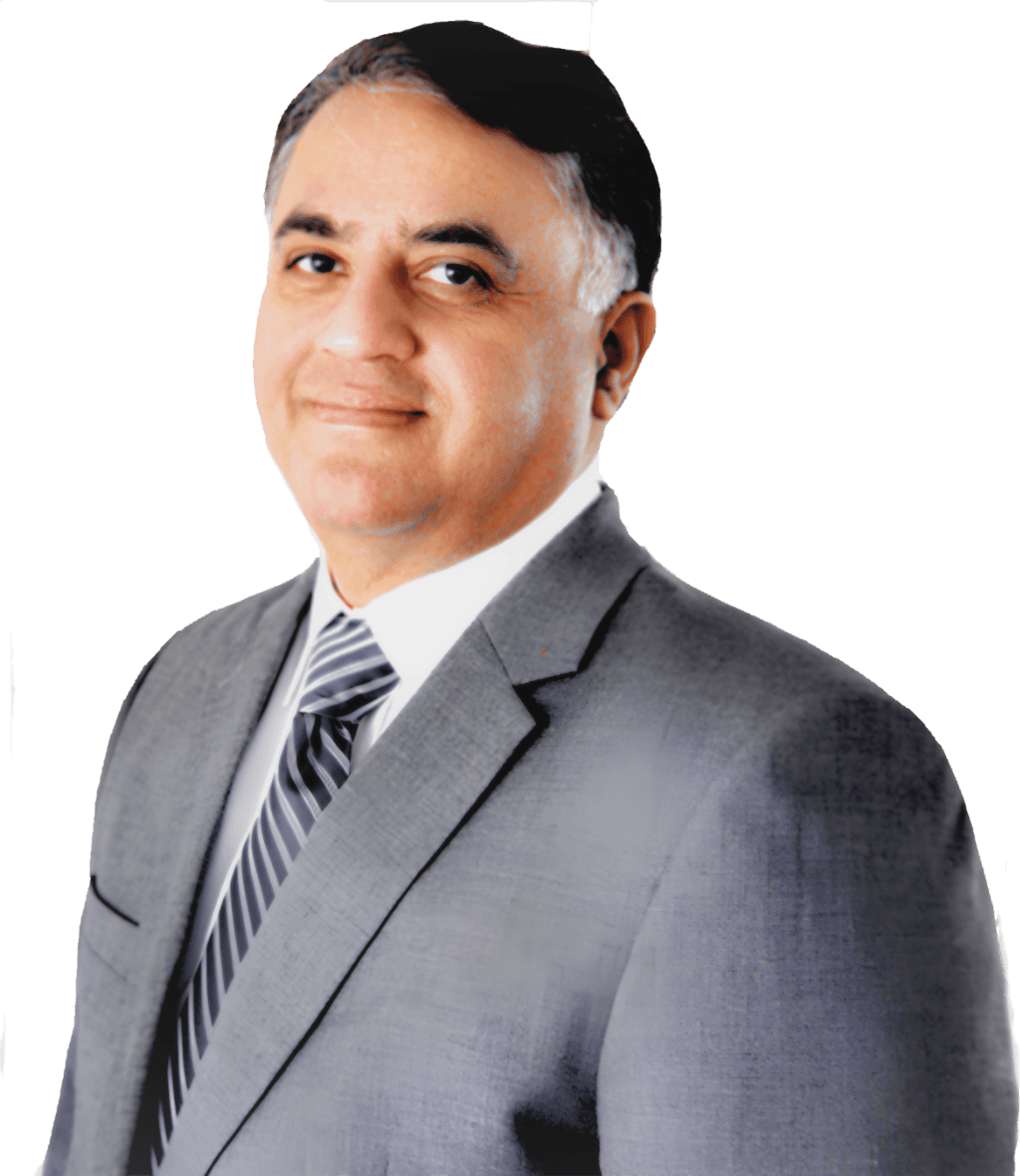
About the author
Dr. Asim Nouman, MD
Experienced family physician with 18+ years of clinical practice focused on weight loss and obesity medicine, practicing in Jacksonville, Florida. Dr. Nouman writes about evidence-based weight loss, GLP-1 therapies, nutrition, and family medicine for patients across Northeast Florida.
Keep reading
More from MedexClinic's health library.
How Medical Weight Loss Works at a Doctor-Led Clinic
See how medical weight loss actually works— from metabolic assessment and body composition to GLP-1 candidacy and a doctor-built lifestyle plan.
IPL Photofacial for Sun Damage: What to Expect | MedexClinic
Thinking about an IPL photofacial for sun spots, redness, or broken capillaries? Here's how it works, who it suits, and how to protect your results.
 Article
Keto Soup Recipes: 5 Doctor-Approved Low-Carb Bowls
Five cozy keto soup recipes under 10g net carbs per bowl— buffalo chicken, broccoli-cheddar, Tuscan sausage, Italian wedding, and creamy mushroom.