
Health Article · Jacksonville, FL
Sleep Apnea Weight Loss: Reduce CPAP Need
How much weight loss does it take to ease sleep apnea or reduce CPAP pressure? A guide to OSA, sleep studies, and doctor-led weight-loss plans.
Dr. Asim Nouman
18+ Yrs Experience · Jacksonville, FL
 MedexClinic Health Library
Sleep Apnea Weight Loss in Jacksonville: When Losing Pounds Can Reduce CPAP Need
If you wake up exhausted, snore loudly, or already wear a CPAP mask, you are not alone — and the path to relief may run through your waistline. For many adults pursuing sleep apnea weight loss in Jacksonville, even a modest reduction in body weight can shrink the airway-collapsing tissue that drives obstructive sleep apnea (OSA), lower pressure settings, and in some cases eliminate the need for nightly CPAP. At MedexClinic in Jacksonville, FL, we coordinate sleep studies, medical weight-loss plans, and primary care under one roof so you can treat the cause — not just the symptom.
How Obstructive Sleep Apnea Actually Works
Obstructive sleep apnea happens when the muscles and soft tissue in the upper airway relax during sleep and partially or fully block airflow. Each pause — called an apnea or hypopnea — drops your blood oxygen, jolts your brain awake (often without you noticing), and spikes stress hormones. Repeat that 15, 30, or 60+ times an hour and you get the classic OSA picture: loud snoring, gasping, morning headaches, daytime sleepiness, brain fog, high blood pressure, and worsening blood sugar.
Excess weight is the single most modifiable driver. Fat deposits accumulate around the neck, tongue base, and lateral pharyngeal walls, narrowing the airway. Visceral fat in the abdomen also reduces lung volume, which destabilizes the airway during inspiration. That is why losing weight is one of the most powerful, evidence-based treatments for OSA — and why it deserves the same priority as your CPAP dose adjustments are made gradually under medical supervision.
How Much Weight Loss Improves Sleep Apnea?
Patients often ask whether they need to reach a goal weight before symptoms improve. The research is encouraging: meaningful changes appear well before you hit the scale number you have in mind.
- 5–10% body-weight loss: Studies show a 20–30% drop in the apnea-hypopnea index (AHI) for many patients with mild-to-moderate OSA.
- 10–15% body-weight loss: Often translates to lower required CPAP pressures, improved oxygen saturation, and reduced daytime sleepiness scores.
- ≥15% body-weight loss: Some patients with mild OSA see full remission on repeat sleep study; many with moderate disease drop to mild and may trial nights off CPAP under physician guidance.
- Neck circumference: A reduction of even 1–2 inches around the neck correlates with measurable airway widening on imaging.
- Waist circumference: Cutting visceral fat improves lung volumes and reduces nocturnal hypoxia independently of total weight.
Important caveat: weight loss does not cure every case. Anatomy, age, jaw structure, and tonsil size all matter. That is why a structured, doctor-led plan — with objective testing before and after — is the right framework, not guesswork.
Signs You Should Be Screened for Sleep Apnea
If you live in Jacksonville, Florida and have any combination of the following, ask about a home sleep test:
- Loud, habitual snoring or witnessed pauses in breathing
- Waking up gasping, choking, or with a dry mouth
- Morning headaches and persistent daytime fatigue
- Falling asleep while reading, driving, or watching TV (Epworth score > 10)
- Treatment-resistant high blood pressure or atrial fibrillation
- Type 2 diabetes or pre-diabetes with poor glucose control
- BMI ≥ 30, or BMI ≥ 27 with neck circumference > 17 inches (men) / 16 inches (women)
Coordinating a Sleep Study with a Weight-Loss Plan
The most efficient sequence for adults pursuing sleep apnea weight loss in Jacksonville looks like this:
- Baseline visit and screening. We review symptoms, medications, blood pressure, labs (A1c, lipids, TSH, liver enzymes), and STOP-BANG or Epworth scoring.
- Home sleep apnea test (HSAT) or in-lab polysomnography. An HSAT is convenient for most uncomplicated adults; complex cases (heart failure, suspected central apnea) go to a lab.
- Start a medical weight-loss plan in parallel. You do not have to wait for sleep results to begin nutrition, activity, and — when appropriate — GLP-1 therapy such as different GLP-1 medications.
- Treat OSA in the meantime. CPAP, oral appliance, or positional therapy reduces cardiovascular risk while you lose weight; better sleep also makes weight loss easier by lowering ghrelin and cortisol.
- Re-test after 10–15% weight loss. A repeat sleep study confirms whether AHI has dropped enough to lower pressure, switch to an oral appliance, or attempt a supervised CPAP wean.
This integrated approach — used at our Baymeadows and Westside locations — keeps both problems moving forward at the same time, instead of forcing you to choose one.
Why GLP-1 Medications Matter for Sleep Apnea Patients
Recent trials of GLP-1 and dual GIP/GLP-1 agonists have shown clinically meaningful AHI reductions in adults with obesity and moderate-to-severe OSA. In one landmark study, GLP-1 medication reduced AHI by roughly two-thirds at one year compared with placebo. GLP-1 medication trials have shown similar trajectories driven by sustained 12–20% body-weight loss. For Jacksonville patients who have struggled with diet alone, these medications can be a turning point — but they belong inside a monitored program with labs, dose dose adjustments are made gradually under medical supervision.
Our medical director, Dr. Asim Nouman, MD, is an experienced family physician with 18+ years of clinical practice focused on weight loss and obesity medicine. He personally oversees protocols that combine GLP-1 therapy, nutrition coaching, and OSA co-management for patients across Mandarin, San Marco, Riverside, Baymeadows, Westside, Orange Park, St. Augustine, and the wider Northeast Florida region.
What to Eat (and Skip) When You Have OSA
Nutrition for OSA overlaps heavily with cardiometabolic nutrition. A few practical anchors:
- Lean proteins: grilled chicken, turkey, fish, eggs, lentils, chickpeas, tofu — at every meal to protect muscle while you lose fat.
- High-fiber plants: leafy greens, cruciferous vegetables, berries, beans — they blunt glucose spikes that worsen nighttime arousals.
- Healthy fats: olive oil, avocado, nuts, fatty fish — supportive of blood pressure and inflammation.
- Skip sedating substances near bedtime. In clinical terms, alcohol relaxes upper-airway muscles and worsens apnea severity; many sleep physicians simply recommend avoiding it altogether if you have OSA. Heavy late-night meals and sugary drinks also worsen reflux, which can fragment sleep further.
- Hydration and sodium: Spreading fluids earlier in the day reduces nocturia (those middle-of-the-night bathroom trips that fragment sleep).
Is It Safe to Stop CPAP After Losing Weight?
Never stop CPAP on your own. Untreated OSA — even mild — raises cardiovascular and stroke risk. The right path is: lose weight under medical supervision, repeat a sleep study, and let the data decide. Some patients transition to lower CPAP pressure, some switch to an oral appliance, and some are able to discontinue therapy entirely with periodic re-testing. That decision belongs to you and your physician, informed by an objective AHI, not by how you feel on a given Tuesday.
Book a Jacksonville Weight-Loss + Sleep Consultation
If snoring, fatigue, or a CPAP mask is running your life, you have more options than you think. The team at MedexClinic — with offices in Baymeadows and on the Westside — can screen you, order a home sleep test, and build a weight-loss plan tailored to your medical history, all in Jacksonville, FL. Call (904) 444-2903 or book online to get started.
Medical disclaimer: This article is for educational purposes only and is not a substitute for individualized medical advice. Decisions about CPAP, weight-loss medications, and sleep testing should be made with a qualified clinician who knows your full history. Always consult your physician before starting, stopping, or changing any treatment, including CPAP therapy or prescription weight-loss medications.
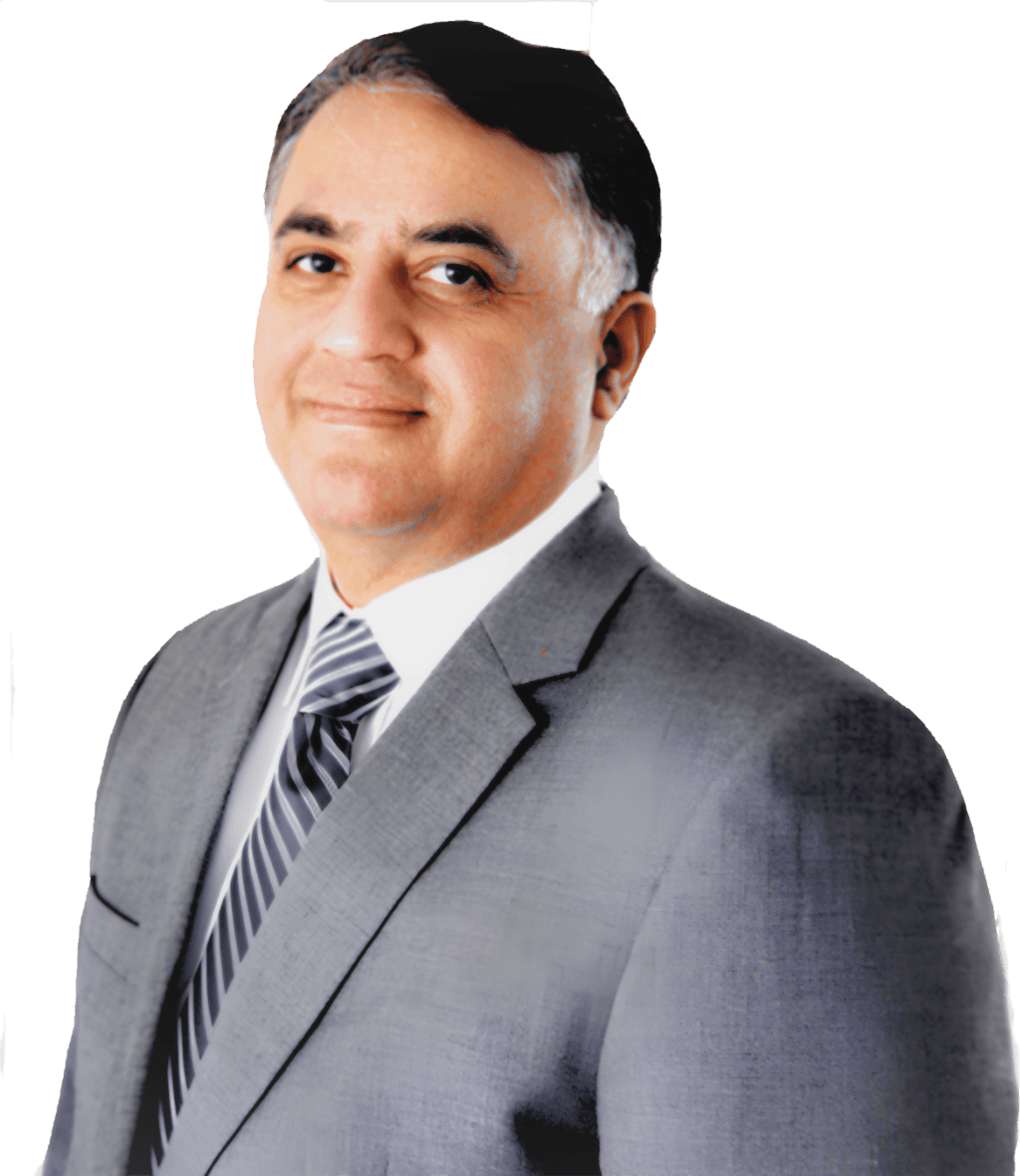
About the author
Dr. Asim Nouman, MD
Experienced family physician with 18+ years of clinical practice focused on weight loss and obesity medicine, practicing in Jacksonville, Florida. Dr. Nouman writes about evidence-based weight loss, GLP-1 therapies, nutrition, and family medicine for patients across Northeast Florida.
Keep reading
More from MedexClinic's health library.
 Article
Doctor-Supervised Ketogenic Diet: Is It Right for You?
A doctor-supervised ketogenic diet can support weight loss— but only for the right candidate. Here's how a physician evaluates keto safely and what to expect.
IPL Photofacial: Sun Damage 101 Guide | MedexClinic
Curious about IPL photofacial for sun spots and redness? Learn how it works, who's a candidate, how many sessions you need, and smart aftercare.
Women's Health Visits: Beyond the Annual Exam | MedexClinic
Modern women's health care goes beyond the annual Pap. Learn how hormones, heart risk, bone density, and perimenopause fit into one comprehensive visit.