
Health Article · Jacksonville, FL
Why a Family Doctor Should Be Your First Call | MedexClinic
A trusted family doctor is the front door to modern healthcare— coordinating preventive care, chronic conditions, and specialist referrals under one roof.
Dr. Asim Nouman
18+ Yrs Experience · Jacksonville, FL
 MedexClinic Health Library
Why a Family Doctor Should Be Your First Call
When something feels off with your health — a nagging cough, a blood-pressure reading that keeps creeping up, a new pain that won't quit — the smartest first phone call isn't to an urgent care, an emergency room, or a random specialist. It's to your family doctor. A steady, long-term primary care relationship is the single most underrated tool in modern medicine, and it's the foundation of how care is delivered at MedexClinic in Jacksonville, FL.
In this guide, we'll walk through what a family doctor actually does, why continuity of care saves you time and money, and what to look for when choosing one.
What does a family doctor actually do?
A family doctor — sometimes called a family physician or primary care provider — is trained to care for patients across every stage of life and across most organ systems. That means one clinician can help with routine physicals, common infections, chronic conditions like high blood pressure or diabetes, mental health screening, women's and men's health concerns, and age-appropriate cancer screening.
Because family medicine is generalist by design, your family doctor is the person who sees the whole picture. A cardiologist sees your heart. A gastroenterologist sees your gut. Your family doctor sees you — how those systems interact, what medications you're on, what your family history looks like, and how your day-to-day life is going.
Why continuity of care matters more than a single visit
Urgent care and walk-in clinics play an important role, but they're transactional by nature — you show up sick, get treated, and leave. There's no ongoing relationship, no baseline to compare against, and no one following up on that borderline lab value from last winter.
Continuity of care is different. When the same physician sees you year after year, small changes become visible early: a slow trend in weight, a subtle shift in cholesterol, a new symptom that echoes something you mentioned two visits ago. Research consistently links strong primary care relationships to fewer hospitalizations, better management of chronic disease, and improved patient satisfaction.
Dr. Asim Nouman, MD — an experienced family physician with 18+ years of clinical practice — built MedexClinic around this model: patients see a doctor who actually knows them, and the plan evolves with their life.
How preventive care saves money and years
Most of the conditions that shorten American lives — heart disease, type 2 diabetes, stroke, several cancers — are either preventable or dramatically more manageable when caught early. A family doctor is the person who runs the screenings, tracks the risk factors, and quietly heads off the problems that would otherwise become emergencies.
Every dollar and hour spent on preventive care tends to pay for itself many times over in avoided ER visits, avoided hospital stays, and avoided time off work. That's not marketing — it's the reason employers and insurers push so hard for annual wellness visits.
What a comprehensive family medicine visit includes
Here's what patients can generally expect from a well-run family medicine practice:
- A full medical history review — past diagnoses, surgeries, medications, allergies, family history, and lifestyle factors.
- Vital signs and a physical exam — blood pressure, heart rate, weight, BMI, and a head-to-toe assessment.
- Age- and risk-appropriate screening — cholesterol, blood sugar, thyroid, cancer screenings, immunizations, and mental health check-ins.
- Chronic disease management — ongoing care for conditions like hypertension, diabetes, asthma, thyroid disorders, and metabolic syndrome.
- Acute care — evaluation and treatment of infections, injuries, rashes, and new symptoms.
- Care coordination — referrals to trusted specialists when needed, plus follow-through on the results.
- Lifestyle guidance — nutrition, movement, sleep, and stress conversations tailored to your goals.
How your family doctor coordinates with specialists
One of the most valuable but least visible parts of family medicine is care coordination. When you need a cardiologist, an endocrinologist, a dermatologist, or a surgeon, your family doctor is the one who chooses the right specialist for your specific situation, sends over the relevant records, and makes sure the recommendations actually get folded back into your overall plan.
Without that quarterback, patients often bounce between specialists who don't talk to each other, take duplicate tests, and end up on medication combinations no single clinician has reviewed as a whole. A family doctor prevents that fragmentation.
How do you choose the right family doctor?
A few practical questions to ask when selecting a primary care physician:
- Does the practice offer same-week or same-day appointments when something urgent comes up?
- Will I actually see the physician, or will most visits be with a rotating cast of providers?
- Is the clinic set up to handle chronic conditions I already have — like hypertension, prediabetes, or thyroid disease?
- Does the doctor listen without rushing, and explain options in language I understand?
- Are preventive care and lifestyle counseling part of the routine, or an afterthought?
- How are referrals, labs, and imaging results communicated back to me?
At MedexClinic, patients see a physician — not a revolving door — and preventive care is baked into every visit rather than bolted on.
When should you see a family doctor instead of urgent care?
Urgent care is a great fit for isolated, short-term problems: a sprained ankle at 8 p.m., a suspected strep throat on a Sunday, a minor laceration. But most of what actually shapes long-term health belongs with a family doctor:
- Annual physicals and wellness visits
- Ongoing management of blood pressure, cholesterol, and blood sugar
- Weight, metabolic, and lifestyle concerns
- Mental health screening and support
- Recurring or unexplained symptoms that deserve a real workup
- Medication reviews when your list keeps growing
If a condition needs medication as part of a broader plan, your family doctor discusses the options with you at a consultation — under proper physician supervision — rather than treating any prescription as a product to buy off a shelf.
Family medicine at MedexClinic
MedexClinic offers doctor-led family medicine at two Jacksonville, FL locations — Baymeadows (9551 Baymeadows Rd, Suite 6) and Westside (1395 Cassat Ave, Suite 3). Visits are unhurried, plans are personalized, and continuity is treated as a feature, not a nice-to-have. You can reach the team at (904) 444-2903 or schedule online any time.
This article is for general educational purposes only and is not a substitute for individualized medical advice; please consult a qualified physician about your specific health situation.
About the author
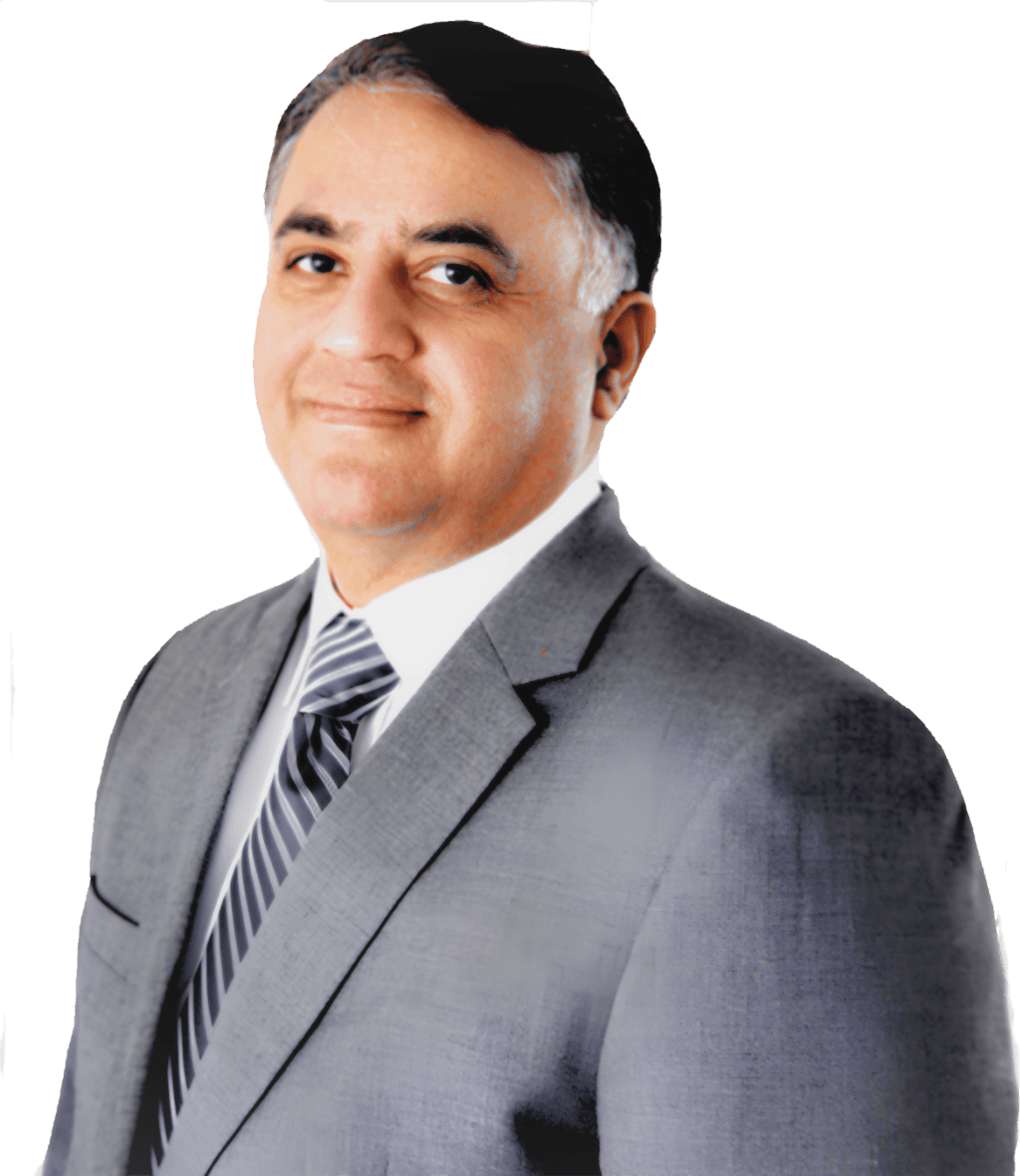
Dr. Asim Nouman, MD
Experienced family physician with 18+ years of clinical practice focused on weight loss and obesity medicine, practicing in Jacksonville, Florida. Dr. Nouman writes about evidence-based weight loss, GLP-1 therapies, nutrition, and family medicine for patients across Northeast Florida.
Keep reading
More from MedexClinic's health library.
Jawline Filler: How Dermal Filler Defines the Jaw | MedexClinic
Jawline filler uses dermal filler to sharpen the mandible, balance the chin, and soften early jowling. See how it works, who it's, and how long it lasts.
Mediterranean Diet Recipes for Weight Loss | MedexClinic
Five simple Mediterranean diet recipes for weight loss, built around fresh seasonal produce, lean protein, olive oil, and herbs— physician-approved and easy to prep.
Skin Rejuvenation: Where to Start | MedexClinic
New to medical aesthetics? Learn how to choose your first skin rejuvenation treatment, sequence services wisely, and start conservatively for natural results.